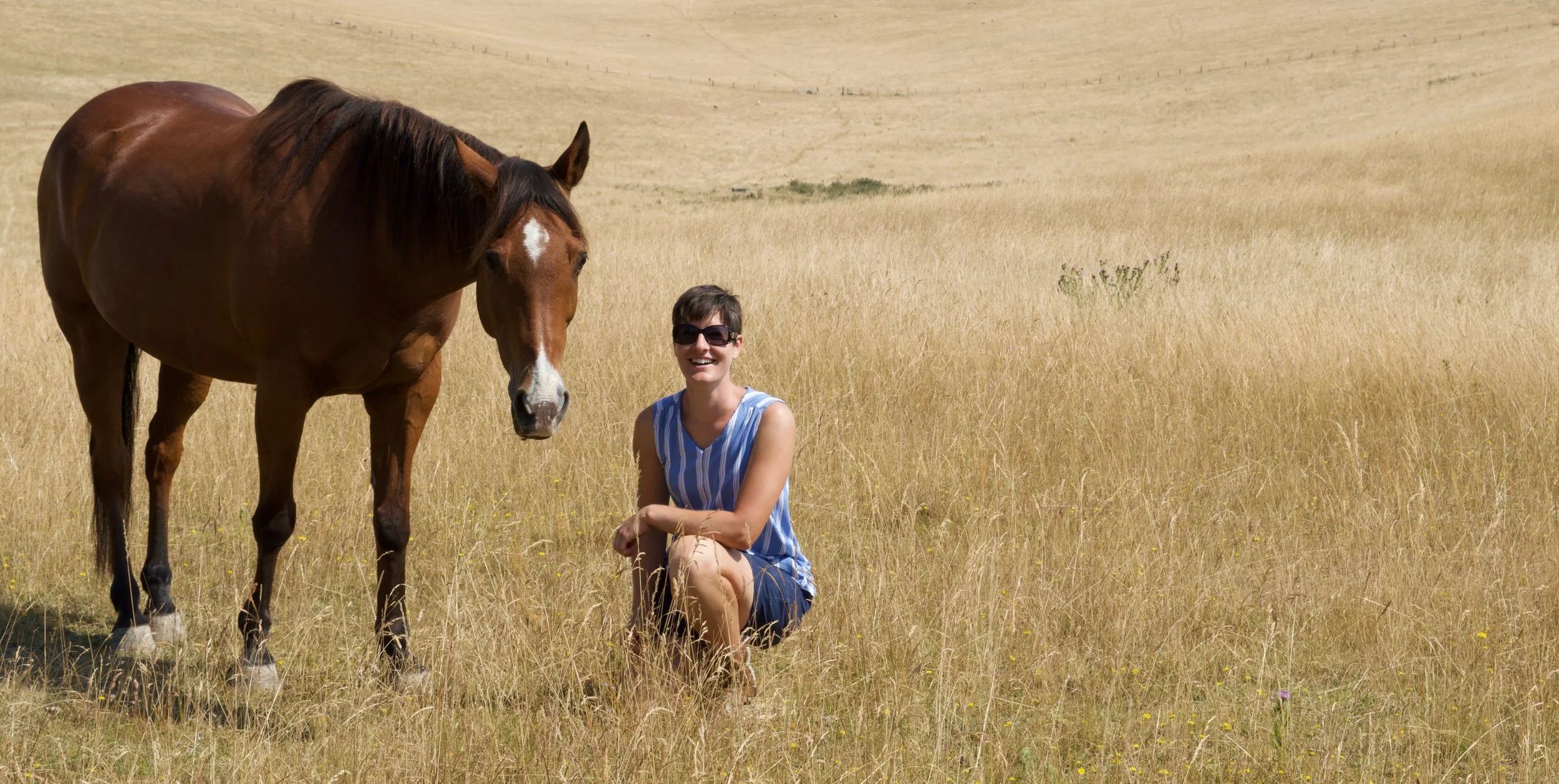
Whole horse review and reset
Have your horse examined from teeth to feet, poll to tail, and body to mind by a compassionate vet, and put a comprehensive plan in place for how best to help them
What is a whole horse review and reset?
Whole horse review and reset is my term for the way I address the horse’s health and wellbeing by looking at the horse’s body as a whole interlinked system.
This also involves not only considering the physical body, but the horse’s mind and emotions too, and our horse-human relationship and communication.
Happier horses become healthier horses. It is not just about health in a clinical sense, but about vitality, joy, and contentment, too.
I investigate and rehabilitate injuries, chronic pain, and behaviours from a whole horse lens - from teeth to feet, poll to tail, and body to mind.
My aim is to help you and your horse by nurturing nature, repairing their body, and cultivating harmonious communication and relationship to restore comfort, function, and joy.
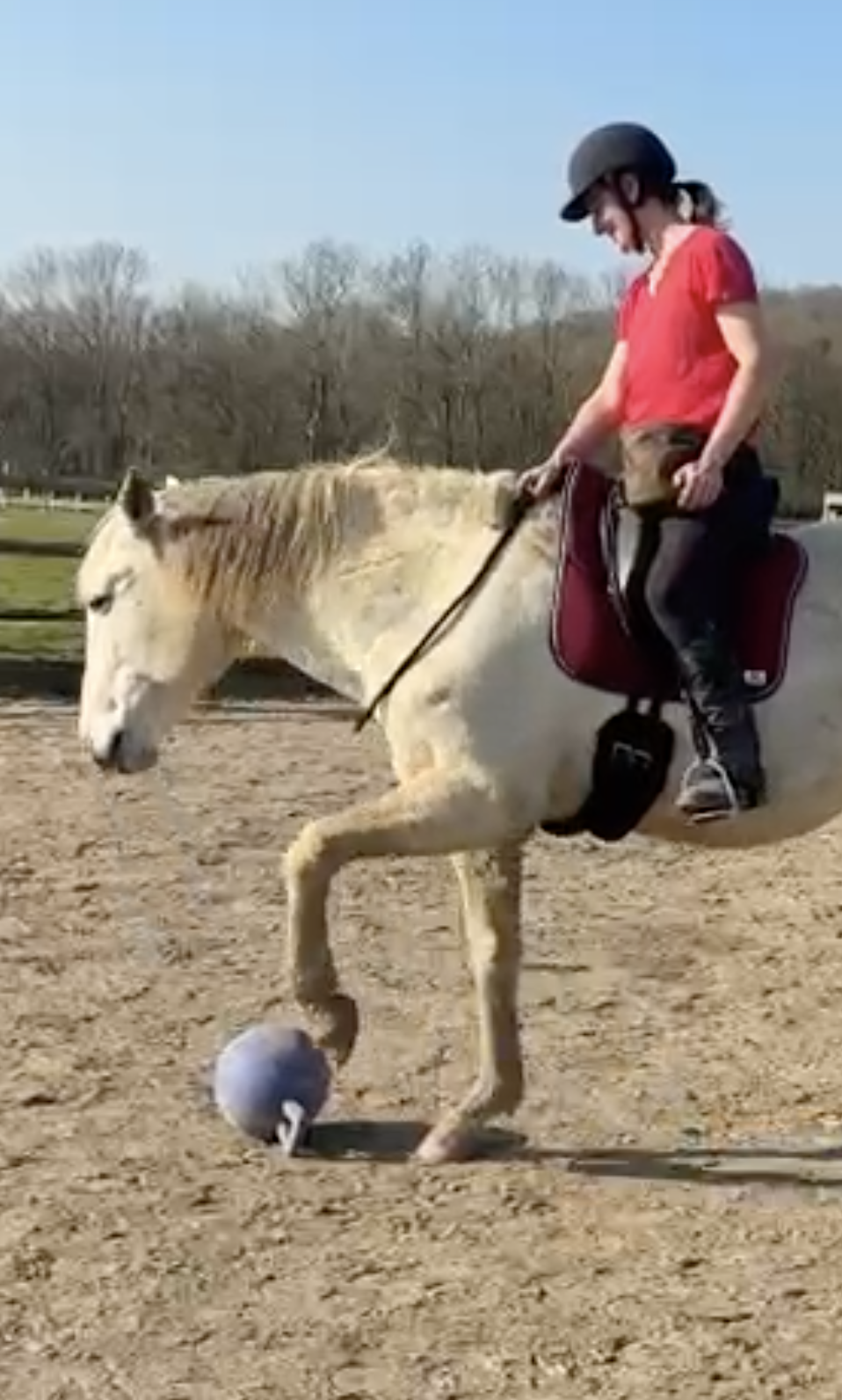
Why are horses willing to participate in the activities we seek to do with them? It is such a gift that horses ever give us this honour.
Horses inherently are social, cooperative, and communicative and willingly do participate when they feel safe, able, comfortable, and understand the process.
How might horses indicate to us they would rather not participate? They do this through their behaviour, which is their communication with us.
Why might they choose not to participate? Are they in pain? Are they remembering pain? Are they preoccupied by unmet needs to move, chew, or socialise? Are they strong, flexible, and coordinated enough to do it? Do they understand? Do they feel scared? Do they feel motivated?
So often, horse owners approach me having tried to have their horse's body or behaviour investigated from a veterinary standpoint because they think there is pain, discomfort, or a health problem underlying the signs they are seeing, to be told nothing is wrong, or, an investigation is done, without a conclusion that fully explains or helps to resolve the signs. Behaviourists and trainers may direct owners to the vet to rule out pain, and the process goes around in a circle and stalls. Sometimes, the professional advice owners receive is to just push on with training or riding, sometimes to try medicating more joints or trying surgery, sometimes to retire or even euthanize the horse. We can and must do better by these horses.
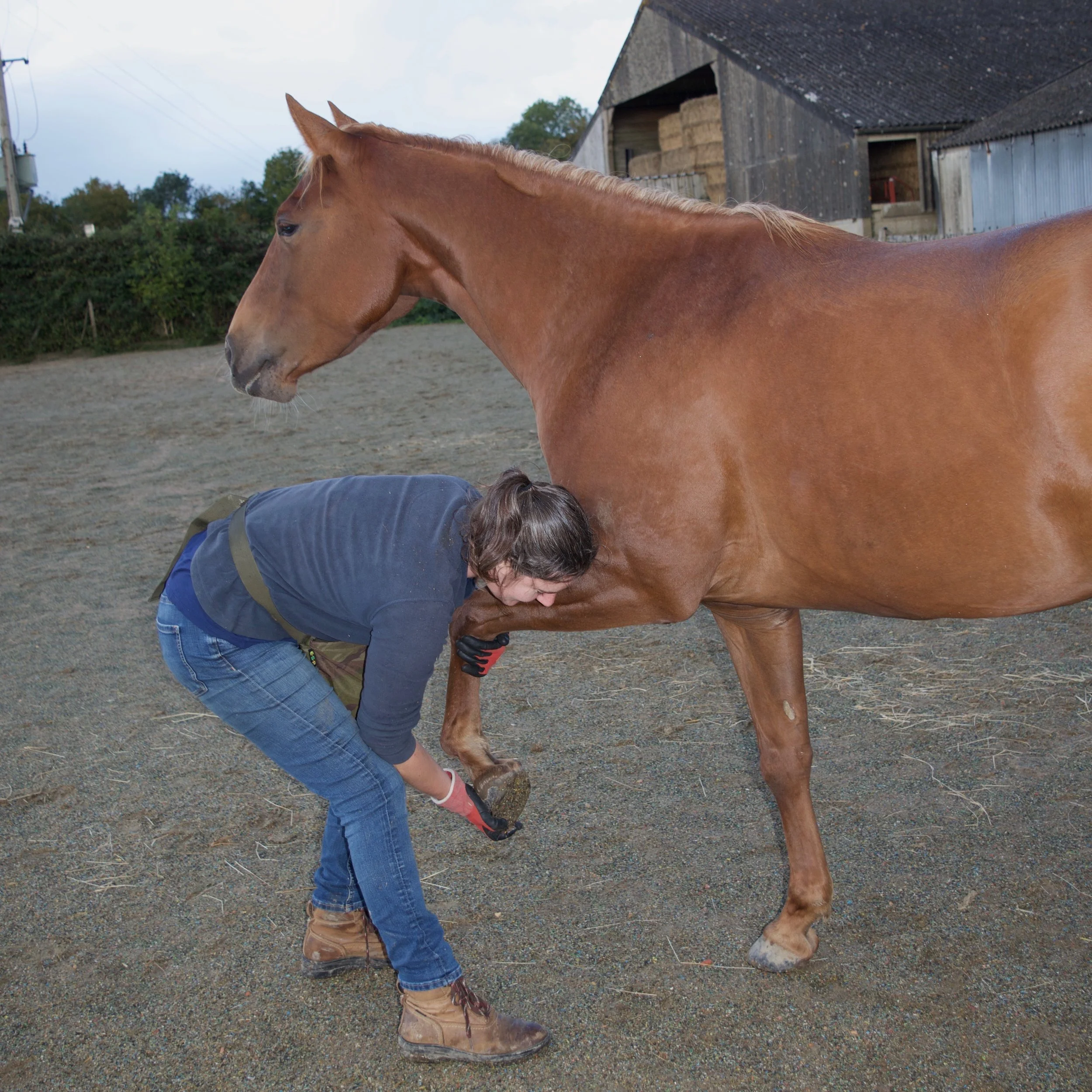
I qualified as a vet in 2016 and first worked in mixed general practice. I gained a lot of knowledge and skills, but was becoming dissatisified with being unable to answer a lot of questions, particularly when it came to long-standing “not quite right” type problems, and the question of whether certain behaviours warranted a vet, dentist, farrier, bodyworker, saddle fitter, behaviourist, trainer, and so on.
Since then, I have travelled widely within the UK, Europe, and the US to learn from a diverse range of practitioners and teachers in all of the above fields.
Now, when I see a horse patient, I do my veterinary assessment, but my focus is both broader and deeper than it used to be. I read horses’ bodies, minds, and emotions through their body posture, development, comfort, and function, their hoof and dental structure and alignment, their equipment fit, their learning history and nervous system state, and the balance and communication of their rider.
My approach now is to consider comfort, function, communication, and understanding in my evaluation and plan for helping each horse. Making and treating a specific diagnosis is an important facet of veterinary work to be sure, but when we are asking questions about behaviour and complex, long-standing problems, we usually have several aspects to address, not one single thing. A single specific diagnosis can be helpful, but is often not the entire picture. Injury and dysfunction do not remain isolated to one location, but affect other parts of the body.
I now practise not only as a vet, but have added barefoot trimming and dentistry for posture and soundness, and ethical, effective training to my skillset. I now offer a broad and deep review and reset of your horse.

What types of case do I help with?
-
If your horse has mystery or widespread pain, discomfort or dysfunction, abnormal posture, is either not recovering as expected from injury, or keeps re-injuring, I can help. I look at the whole horse and address both comfort and function physically, mentally, and emotionally. I restore functional body systems and clear, soft communication. I consider lifestyle factors in the development and perpetuation of problems.
-
If you are trying to investigate sources of pain, discomfort and dysfunction in your horse and it is proving difficult or confusing, an in-depth assessment over a period of time may be the answer. These are not suitable for urgent cases, but if your horse either has long-standing mystery discomfort, has had diagnostics and you are not sure which results are relevant or where to start, or your horse is challenging or impossible to examine or treat in a clinic environment, I can help. I carry out non-threatening assessments and establish two-way communication that gives the horse agency in the process and can change the horse’s mind about being examined and treated. I look at the deep rooted causes of discomfort and dysfunction and how they all interconnect to make a plan of how best to proceed to alleviate this.
-
If you have been unable to achieve a thorough veterinary work-up, veterinary, farriery or husbandry interventions, or similar because of behaviour your horse shows when you attempt these, I can help. There are often complex physical, mental and emotional reasons for your horse’s response to being examined and treated. I explore the deep rooted causes for the way your horse feels about these things, and my approach to helping change the way they feel is both ethical and effective.
-
I review your horse’s health and wellbeing physically, mentally, and emotionally. I look at the whole horse - from their teeth to their feet, poll to tail, and body and mind. An honest look at how and whether their current lifestyle is serving them and how this can be enhanced is integral to this review. Regular checks of their teeth, feet, body comfort and function, and learning and emotional state are so valuable for long term management of old injuries, and in preventing them in the first place.
What is my philosophy?
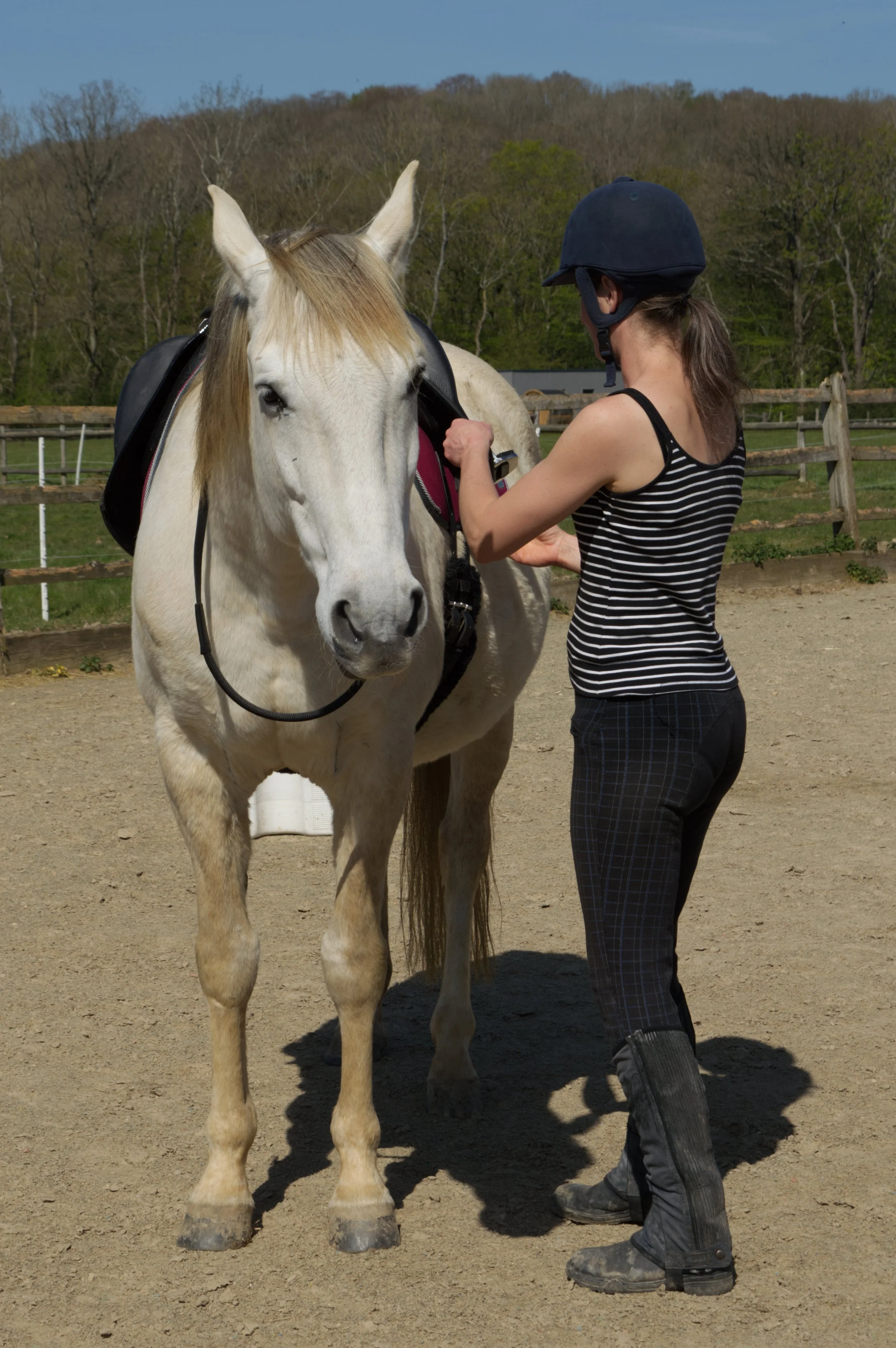
In my years as a vet, I keep seeing that health and vitality, or barriers to these, usually involve four major themes, which I term the Four Deep Roots to Health and Wellbeing. There may be a specific diagnosis at play, but, both finding this and helping this often require some deep exploration of, and changes to, one or more of these deep roots.
-
Lifestyle and management have a huge influence on physical, mental and emotional health and wellbeing. In fact, domestication of horses is responsible for a significant amount of the signs of unease that our horses show. Having said that, now that they are in our care, it is our responsibility and gift to provide them with as healthy a living situation as possible.
In many cases some aspects of lifestyle form part of the root cause of illness, injury, and behaviour. This could include housing, social interactions, feeding and nutrition, foot care, dentistry, and more.
At my track system rehab facility, I provide a lifestyle appropriate to their needs. An integral part of working with me involves us exploring how you can provide this for your horse.
-
Static and dynamic posture (how horses arrange their body and limbs at rest and in motion), development of the musculoskeletal system, and the ability to choose to move are all fundamental to all round horse health and wellbeing.
Assessing and improving posture and movement is fundamental to investigating, rehabilitating, and preventing problems.
-
When horses are in discomfort, whether physically, mentally or emotionally, they are not able to function and enjoy life as they otherwise could. Ongoing pain and discomfort hamper improvements. Compensation patterns and pain memory can make the progress of recovery slow or confusing. Addressing comfort is a vital step towards restoring healthy structure and function.
-
I strongly believe healthy relationships and having choice and agency are fundamental to all round health and wellbeing. Working with me will involve exploring the horse-human relationship in general and certain questions we ask of them specifically and, if they struggle with these, offering them a way of interacting through communication, compassion and consent.
The Four Deep Roots to Health and Wellbeing
This is for you if:
• You want to understand and address the deep roots of your horse’s health and wellbeing
• You prioritise your relationship and how your horse feels
• You want to make fundamental and sustainable changes to your horse’s lifestyle, care, training, and riding
• You want to deeply consider your horse’s body, mind, and emotions in your future plan with them.

Whole horse review and reset options
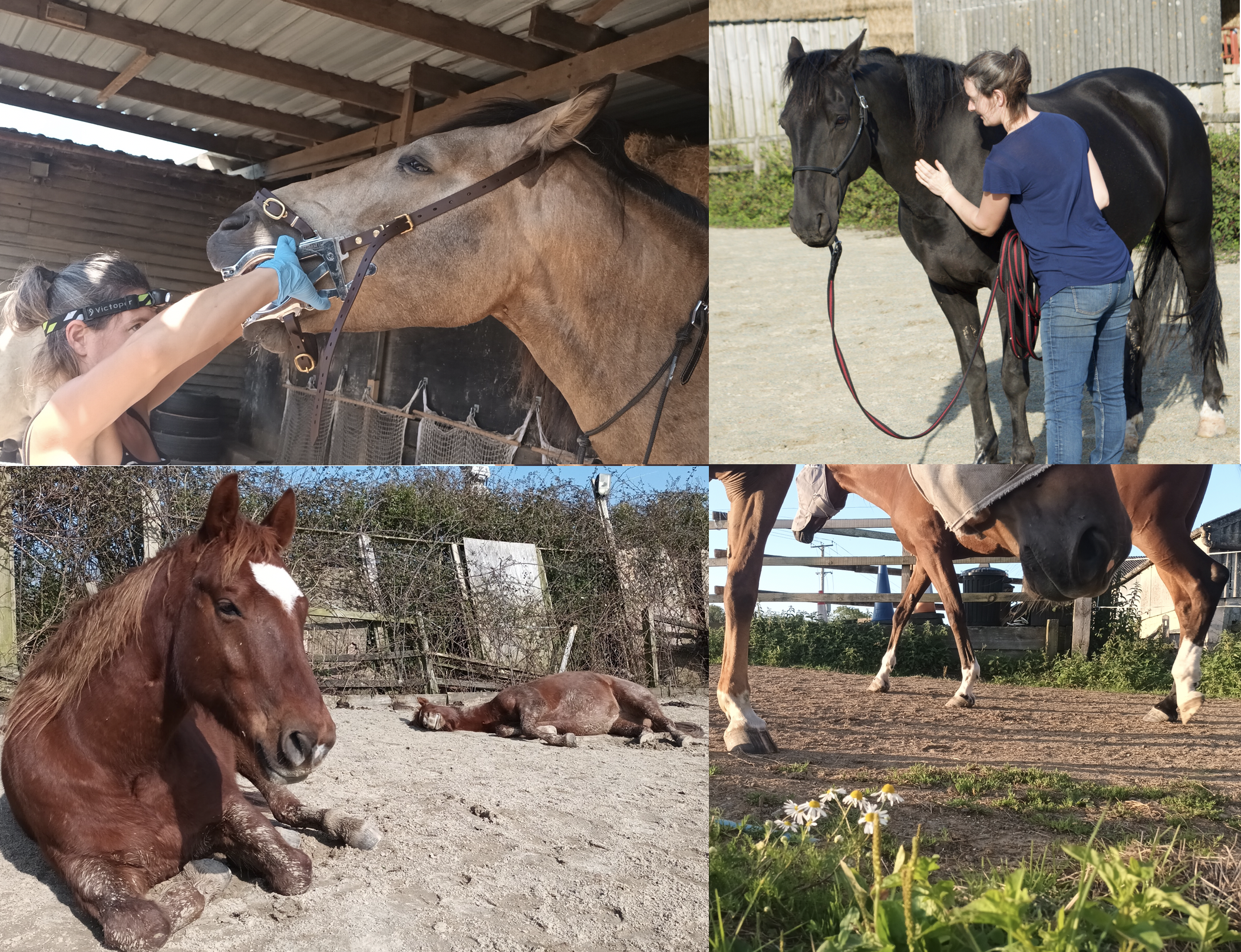
Whole horse rehabilitation boarding
Have your horse looked after by me, a vet, on my track system rehabilitation facility in West Sussex, UK. Especially suitable for complex and long-standing cases of ongoing pain or behaviours, and for barefoot rehabilitation.
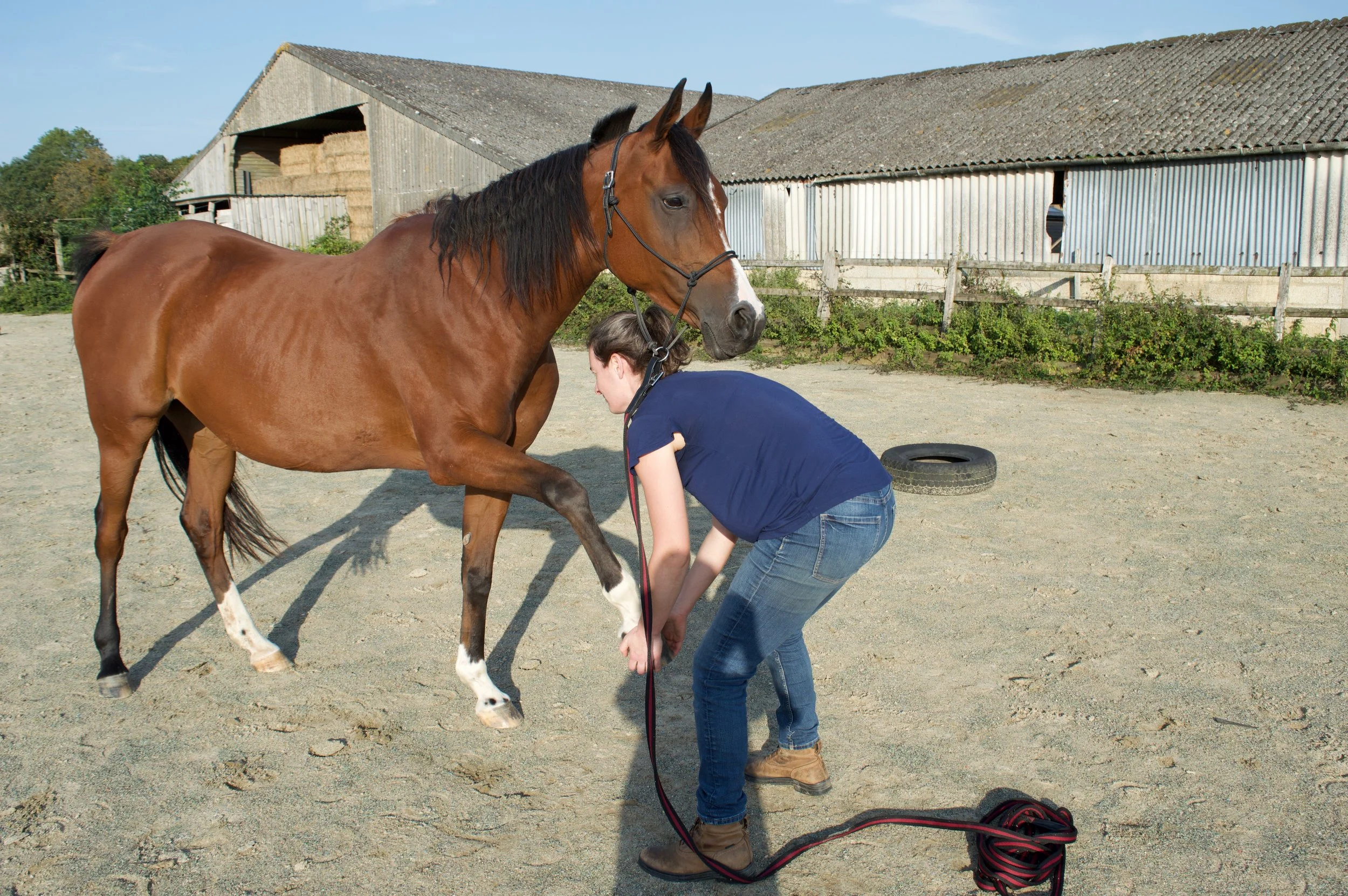
Whole horse review and reset - in person
Bring your horse to me or book a visit for me to come to your yard - see an example of what can be included and costs here.
I am based in West Sussex, UK. You can bring your horse to me or I do yard visits, mainly covering the South East, but contact me for options.
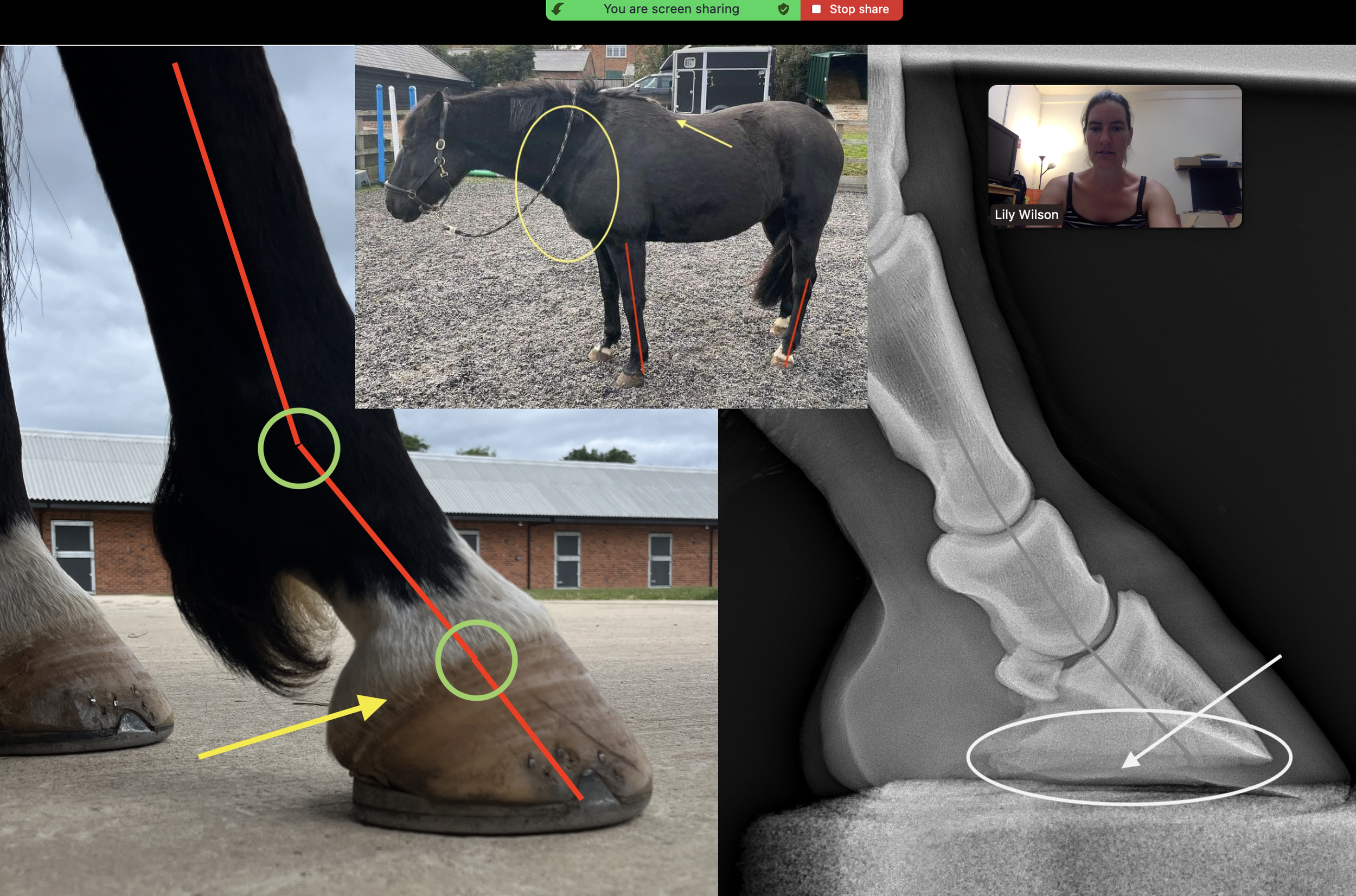
Whole horse review and reset - online
Book one to one calls with me to be guided through a process of discovering what is going on for your horse’s body, mind, and emotions, and how to help them.